Wellness explainer · 30 September 2026 · 4 min
Fitwel vs. WELL vs. LEED: the certifications shaping the future of real estate
LEED measures environmental performance, WELL measures human health, and Fitwel measures healthier living. Here is what each one actually certifies — and what to ask when a brochure quotes one.
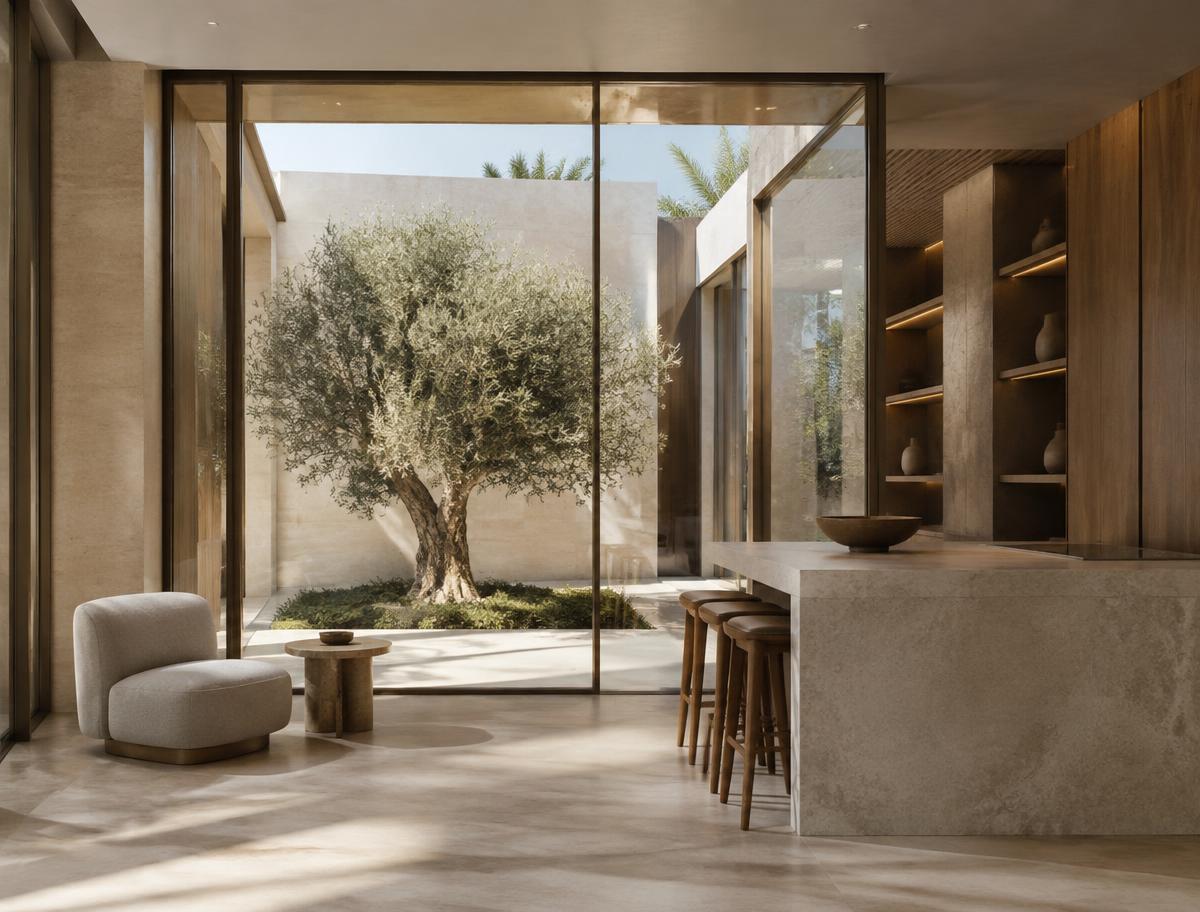
As sustainability and wellness become central to the built environment, certifications have emerged as powerful tools for measuring a project's performance. Among the most recognised globally are Fitwel, WELL and LEED.
While these certifications are often mentioned together, they serve different purposes. Some focus on environmental sustainability, while others prioritise human health, well-being and quality of life. Understanding the difference helps developers, investors and homebuyers make informed decisions.
What is LEED certification?
LEED (Leadership in Energy and Environmental Design) is the world's most widely recognised green building certification. Developed by the U.S. Green Building Council (USGBC), it evaluates how sustainably a building or community is designed, constructed and operated.
Energy efficiency
Water conservation
Sustainable building materials
Waste management
Carbon emission reduction
Site selection and environmental impact
The primary goal of LEED is to minimise the environmental footprint of buildings and promote long-term sustainability. In simple terms, LEED answers the question: how environmentally sustainable is this building?
What is WELL certification?
The WELL Building Standard focuses on the health, well-being and performance of the people who live and work within a building. Developed by the International WELL Building Institute (IWBI), it evaluates how indoor environments affect physical health, mental wellness, comfort and productivity.
Air quality
Water quality
Natural and artificial lighting
Thermal comfort
Acoustic performance
Nutrition
Mental health
Community and social well-being
WELL is built on the idea that buildings should do more than reduce environmental impact — they should actively improve the lives of the people who use them every day. In simple terms: does this building support and enhance human health and well-being?
What is Fitwel certification?
Fitwel is a certification system designed to promote healthier lifestyles through the design and operation of buildings and communities. Created by the Center for Active Design, it provides a practical and cost-effective framework for improving occupant health and well-being.
Physical activity and movement
Walkability and active transportation
Access to green spaces
Healthy food options
Safety and security
Social connectivity
Mental well-being
In recent years, Fitwel has expanded beyond individual buildings to include communities and large-scale developments, with some projects marketing themselves as Fitwel-certified islands or wellness-focused destinations. In simple terms: does this space encourage healthier living?
Fitwel vs. WELL vs. LEED: a comparison
Criteria | Fitwel | WELL | LEED |
|---|---|---|---|
Primary focus | Health and well-being | Health, well-being and human performance | Environmental sustainability |
Developed by | Center for Active Design | International WELL Building Institute (IWBI) | U.S. Green Building Council (USGBC) |
Main evaluation areas | Physical activity, nutrition, community, wellness | Air, water, light, comfort, mental health, community | Energy, water, materials, emissions, waste |
Sustainability focus | Moderate | Moderate | Very high |
Health & wellness focus | High | Very high | Limited |
Implementation complexity | Low to moderate | High | Moderate to high |
Certification cost | Relatively affordable | Higher | Moderate to high |
Community-scale certification | Yes | Yes (WELL Community) | Yes (LEED for Communities) |
Market recognition | Growing rapidly | Strong in wellness-focused developments | Global market leader in sustainability |
Which certification is best?
There is no single best certification — the right choice depends on the project's goals. LEED is the preferred option for projects focused on sustainability and resource efficiency. WELL is ideal for developments that prioritise occupant health, comfort and productivity. Fitwel offers a practical, accessible approach to promoting healthier lifestyles.
Many of today's most prestigious developments pursue multiple certifications to demonstrate leadership in both sustainability and wellness — for example, LEED for environmental performance alongside WELL or Fitwel for occupant well-being.
Why these certifications matter
Certifications are no longer just marketing tools. They provide independently verified standards that help developers, investors and residents assess the quality and long-term value of a building.
Market value and investment — certified buildings are often viewed as lower-risk assets, and as ESG criteria become central to investment decisions, certifications provide measurable proof of performance.
Health and well-being — people spend roughly 90% of their time indoors, making the quality of the built environment a significant factor in health and productivity.
Occupant satisfaction and productivity — research highlighted by the IWBI indicates that health-focused buildings positively affect performance, satisfaction and workplace experience.
Sustainability performance — LEED helps reduce energy consumption, water use, waste and carbon emissions within a globally recognised framework.
Healthier communities — Fitwel extends to neighbourhoods, promoting active lifestyles, social connectivity and inclusive design.
Leadership and credibility — third-party certification offers independent verification, increasing transparency and trust among investors, tenants and residents.
Conclusion
The future of real estate lies at the intersection of sustainability and human well-being. LEED focuses on environmental performance, WELL prioritises human health, and Fitwel encourages healthier lifestyles through design and community planning.
Together, these certifications are helping shape spaces that are not only greener, but healthier, more resilient and better suited to the needs of modern communities. When a development quotes one, the useful question is always the same: which question does this certification actually answer?

Editor
Luis Pedro Coutinho
Pharmacist and wellness real estate advisor, The Wellness Broker — Dubai & Abu Dhabi.
References
LEED — Leadership in Energy and Environmental Design
- U.S. Green Building Council (USGBC). LEED Rating System.
- Green Business Certification Inc. (GBCI). LEED Certification Overview.
WELL Building Standard
- International WELL Building Institute (IWBI). WELL Building Standard.
- WELL v2 Standard Documentation.
- WELL Certification Overview.